



|
|
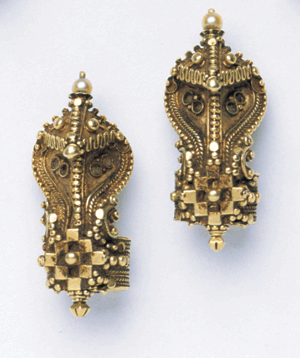
 Gold and pearl earrings in the form of rearing cobras. Tamil Nadu; 18th - 19th century.
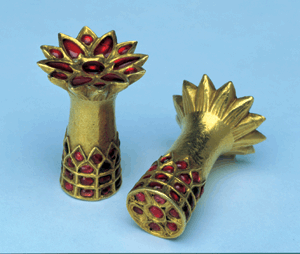 Gold and ruby ear studs in the forms of lotuses. Assam; 19th century.
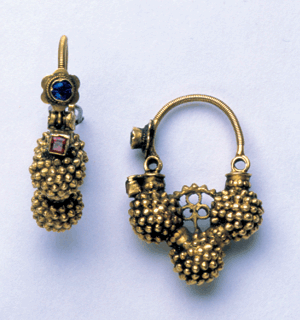 Flowering
nut- or berry-shaped gold earrings. North India; 19th century.
Flowering
nut- or berry-shaped gold earrings. North India; 19th century.
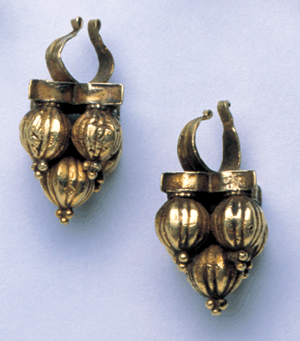 Melon-shaped gold earrings. North India; possibly 18th century.
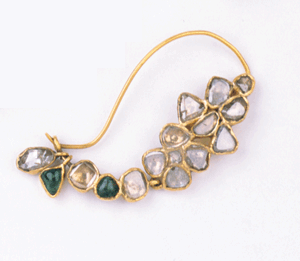
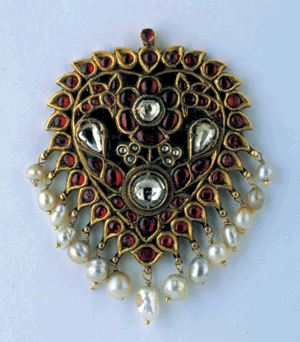
Peacock and flower pendant of gold, diamonds, rubies, and emeralds. South India; 18th - 19th century. 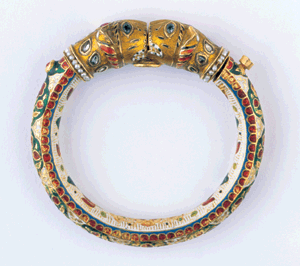 Gold and enamel bracelet with tiger heads. Possibly South India;
late 18th century.
Gold and enamel bracelet with tiger heads. Possibly South India;
late 18th century.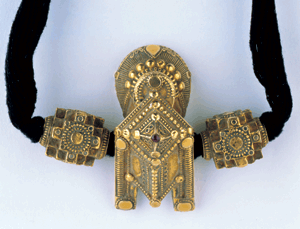 Gold tali set with ruby, flanked by gold beads. Tamil Nadu; 19th
century
Gold tali set with ruby, flanked by gold beads. Tamil Nadu; 19th
century 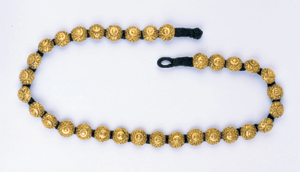
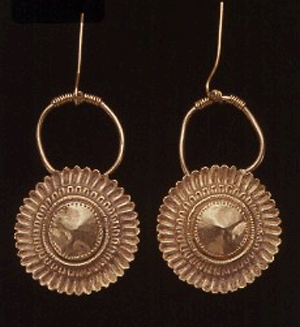 Gold
florette earrings with repoussé petals; modern earwires.
As early as 5th – 7th century.
Gold
florette earrings with repoussé petals; modern earwires.
As early as 5th – 7th century.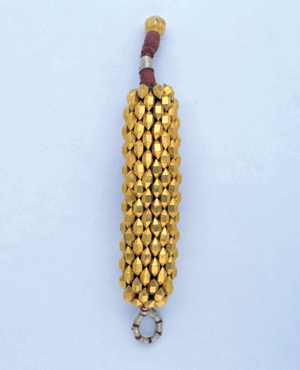 Gold
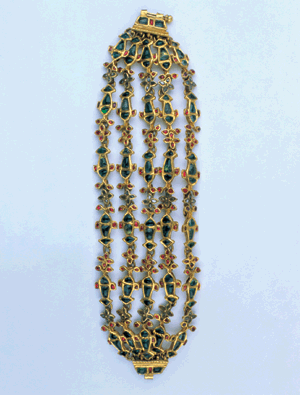
bracelet of garlic-shaped beads. North India; 19th century.
Gold
bracelet of garlic-shaped beads. North India; 19th century. |
|
Only royalty could wear gold on their feet. Motifs can also express specific aspects of identity. For example, thick chain anklets are identified with a community of women from Kutch (Gujarat). Its social meanings notwithstanding, Indian jewelry is designed to enchant the senses: long earrings and necklaces sway with a woman's movements, while bells, loose bangles, and clinking anklets give music to her every gesture. But not all women relish the obligation to wear so many ornaments. Some have written of the psychological burdens of jewelry’s symbolism; others have complained of its cumbersome weight and other inconveniences. Lotuses, cobras, fish, berries, tiny melons, and garlic cloves have been recurring motifs from ancient times to the present. Forms from nature are considered auspicious and are believed to promote fertility. They also express a woman’s procreative powers. Like nature itself, the touch of a young, beautiful woman was believed to make trees blossom. On a woman’s skin, touched by her fecundity, jewelry seems to ripen and blossom as well. |
|
